The Allure of Risk and Reward
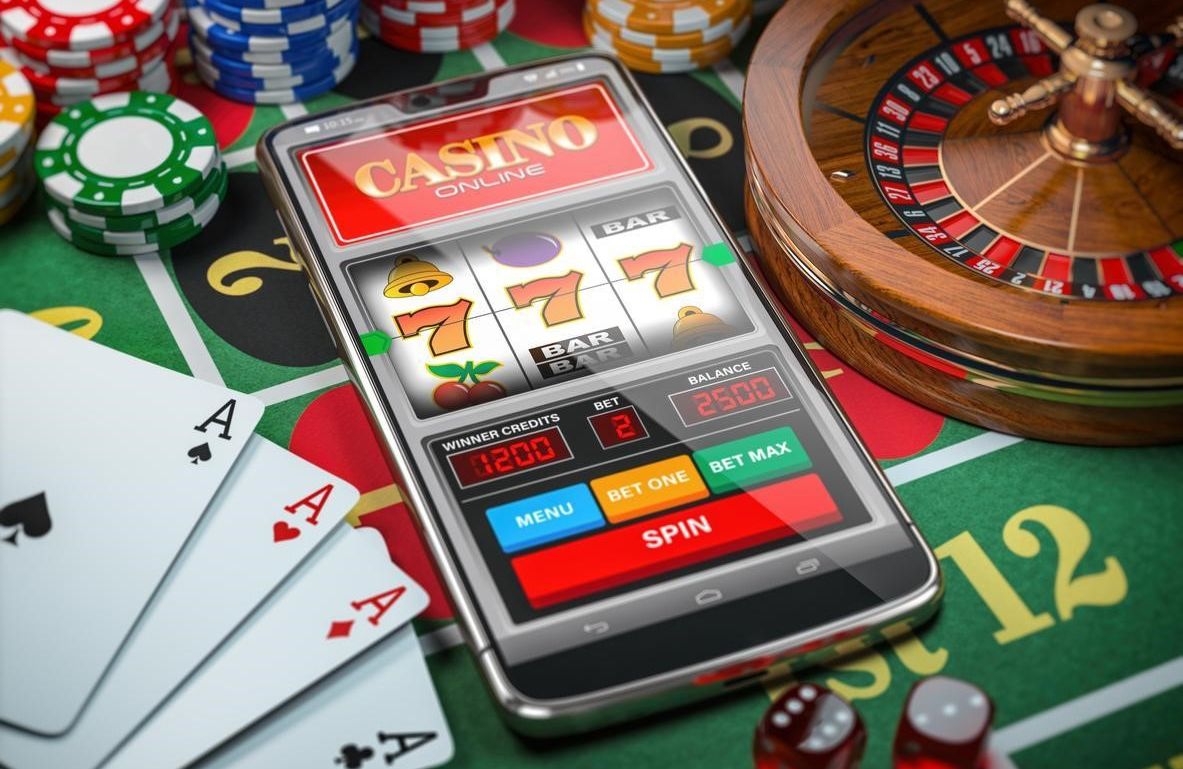
At the heart of gambling is a profound attraction to risk and the potential for significant rewards. This thrill closely mirrors the excitement found in high-stakes situations, where the outcomes can have life-altering effects. The uncertainty that accompanies gambling generates an emotional response that can be incredibly satisfying for players as they navigate the delicate balance between risk and reward, often leading them to platforms like atsonsair.com that enhance the gaming experience. This dynamic engages players on various psychological levels, transforming gambling from a mere financial transaction into an exhilarating adventure filled with anticipation and suspense.

Additionally, gambling serves as a temporary escape from the mundane aspects of daily life. Many individuals find their routine to be dull and seek out ways to break free from monotony. In this context, gambling offers a retreat, allowing players to immerse themselves in a world of excitement and unpredictability. The vibrant environments of gaming venues, characterized by flashing lights and immersive sounds, further heighten this sense of escape, stimulating the senses and creating an engaging atmosphere that draws people in.
Instant gratification plays a crucial role in why people are attracted to gambling. The prospect of achieving significant financial gain in a short timeframe captivates many individuals, overshadowing the potential negative consequences that can arise from such activities. This desire for immediate rewards can lead to compulsive behaviors, as players become increasingly reliant on the thrill of risking their money. Thus, the psychology of risk-taking is a fundamental aspect of gambling, revealing deep insights into human nature and our complex relationship with chance and reward.
The Role of Cognitive Biases
Cognitive biases significantly shape gambling behavior, often leading individuals to make irrational decisions based on skewed perceptions of luck and probability. One common bias is the “gambler’s fallacy,” where individuals mistakenly believe that past outcomes influence future results. For instance, if someone experiences a series of losses, they may wrongly assume that a win is imminent, despite each game being an independent event. This fallacy can foster overconfidence and lead to repeated betting, driven by the misplaced belief that they are ‘due’ for a victory.
Another prevalent cognitive bias is the illusion of control, where gamblers perceive themselves as having greater influence over game outcomes than they actually do. For example, players might believe that employing specific strategies can alter the odds in their favor, even though many gambling activities primarily rely on chance. This illusion can be particularly potent, instilling a sense of agency in players that encourages them to continue participating in gambling, even when it may lead to adverse consequences.
The sunk cost fallacy further complicates gambling behaviors. Once players have invested time, money, or emotional energy into gambling, they may feel an overwhelming urge to continue, believing that their investment will eventually yield a return. This mindset can trap individuals in cyclical patterns of gambling, often resulting in increasing financial losses as they chase their previous investments. By understanding these cognitive biases, we can gain deeper insights into the psychological mechanisms that drive gambling behavior and the potential pitfalls that accompany such activities.
The Social Aspects of Gambling
While gambling might often be perceived as a solitary pursuit, it is intrinsically social in nature. Many individuals engage in gambling within a communal setting, whether at physical establishments or through online platforms. This social dimension can amplify the enjoyment and excitement of the experience, engaging players not only with the games they play but also with fellow participants. The conversations, shared experiences, and competitive elements of group play enhance the overall appeal, transforming gambling into a shared experience rather than a solitary one.
The sense of belonging that arises from being part of a gambling community can serve as a powerful motivator for many individuals. Whether it’s discussing strategies, recounting success stories, or simply enjoying the camaraderie of others in pursuit of the same excitement, these social interactions can enrich the gambling experience. This social engagement can create a positive feedback loop, where enjoyable interactions encourage further participation, leading to increased time spent in gambling environments.
Moreover, social reinforcement significantly influences gambling behavior. Positive recognition from peers, such as winning a substantial amount or achieving notable success in a game, can bolster an individual’s confidence and motivate them to continue playing. On the flip side, losing may lead to social stigmatization, but the desire to “save face” or recover losses can compel individuals to gamble even more. Thus, the social dimensions of gambling profoundly impact behavior, underscoring the importance of community and interaction in this complex psychological landscape.
Emotions and Gambling Decisions
Emotions play a pivotal role in shaping gambling decisions, often leading players to act in ways that contradict their logical intentions. For example, feelings of excitement and euphoria after a win can prompt impulsive behavior, with individuals betting more than they typically would in hopes that their lucky streak will persist. Conversely, negative emotions such as anger or frustration can result in a behavior known as “chasing losses,” where individuals increase their bets in a misguided attempt to recover their previous losses.
The connection between mood and gambling behavior is also evident in the concept of emotional regulation. Some individuals resort to gambling as a means of coping with stress, anxiety, or depression. This reliance on gambling for emotional relief can create a vicious cycle where it becomes a primary method of managing both emotional highs and lows. Unfortunately, this behavior often exacerbates underlying issues, leading to a detrimental relationship with gambling over time.
By understanding the emotional triggers that lead individuals to gamble, we can gain valuable insights into the psychological foundations of compulsive gambling. Recognizing the significant role that emotions play can pave the way for healthier coping strategies that do not involve gambling. This awareness empowers individuals to make more conscious choices regarding their gambling participation, ultimately promoting responsible gaming practices and reducing the risk of harmful behaviors.
The Importance of Education in Gambling
As we explore the psychology of gambling, the role of education emerges as crucial in fostering responsible behavior within the gaming environment. Increasing awareness about the risks associated with gambling and the psychological principles that underlie it can empower individuals to make informed decisions. By understanding game mechanics and recognizing cognitive biases, players can mitigate the adverse effects of gambling and cultivate healthier habits that promote long-term well-being.
Furthermore, educational initiatives can help to dismantle the stigma surrounding gambling addiction. By fostering an understanding of gambling as a psychological issue rather than a moral failing, society can create supportive environments that encourage individuals to seek help when necessary. This shift in perspective can lead to more resources being allocated towards prevention and treatment, ultimately contributing to a healthier gaming culture that prioritizes the well-being of its participants.
Many online platforms and local gaming establishments are increasingly acknowledging the importance of education, often integrating resources that promote responsible gaming behaviors. By providing access to information about gambling strategies, odds, and responsible habits, these entities contribute positively to the gaming industry. Ultimately, nurturing an informed gambling community can lead to healthier participation, reducing the prevalence of gambling-related issues and fostering a more responsible gaming culture.